
Young People & Our Gardening Project
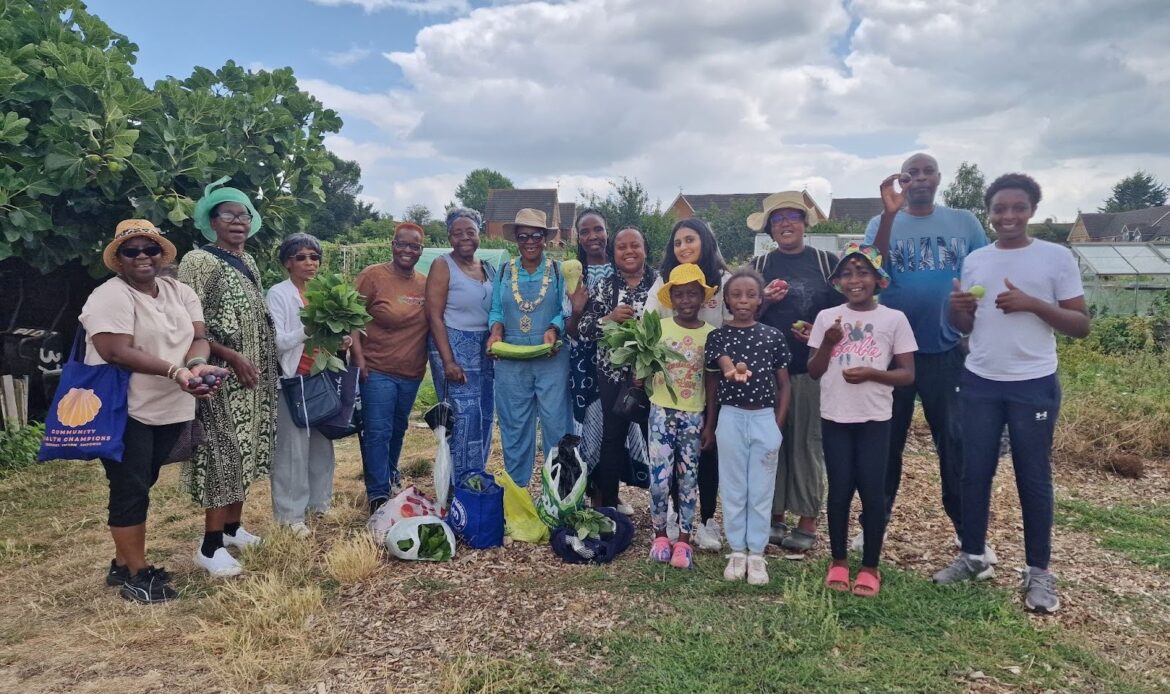
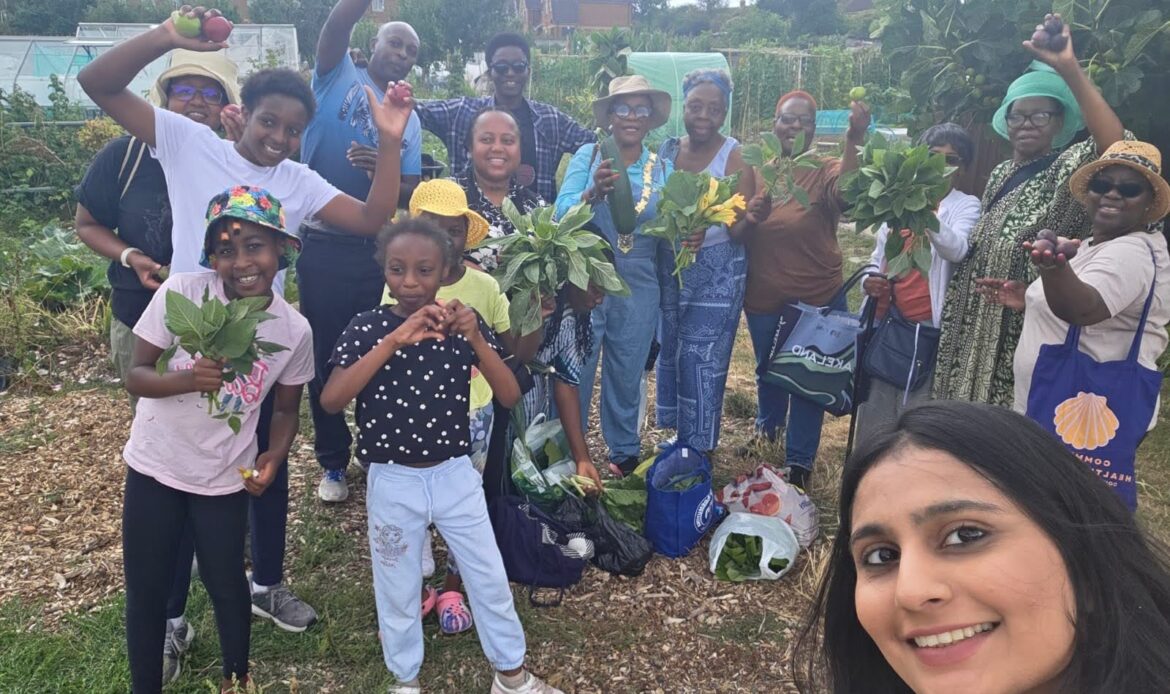
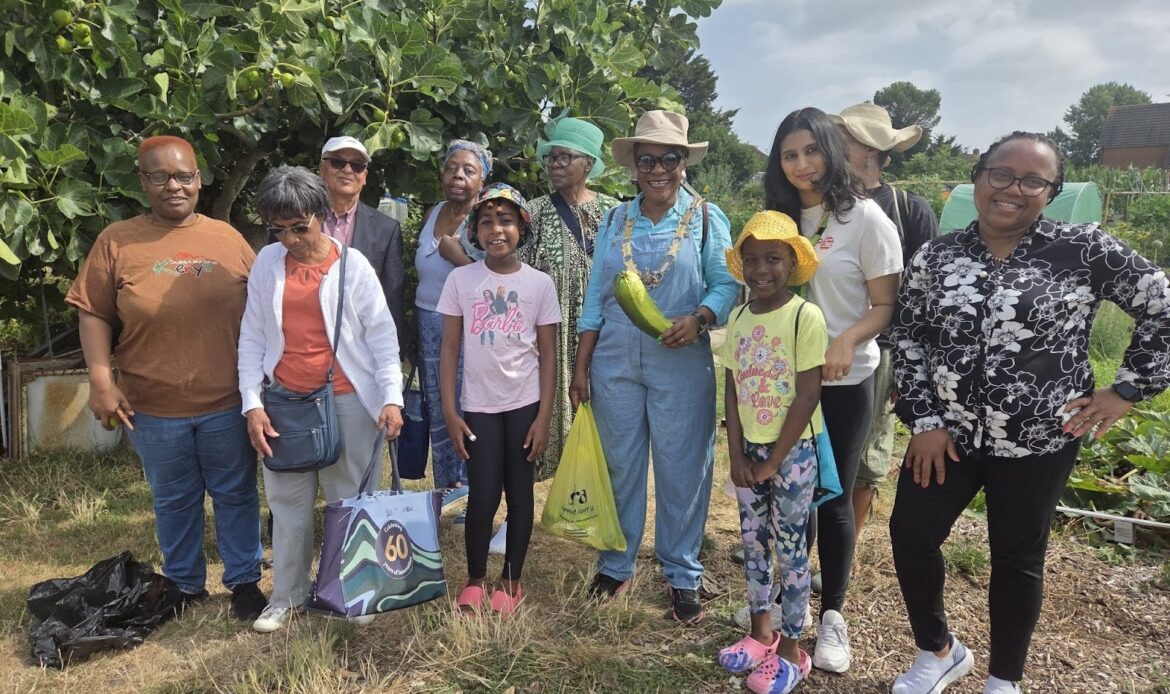
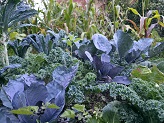


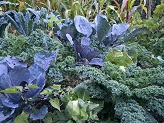
Gardening is central to our work in meaningfully engaging young people, providing a practical and inspiring platform for learning, growth, and connection.
Through this project, young people develop:
- A strong sense of environmental responsibility and stewardship
- Practical skills that build confidence and accountability
- Improved mental well-being through connection with nature
- Exposure to new interests and potential career pathways
By combining hands-on experience with reflective learning, gardening becomes more than an activity—it becomes a tool for personal development and future opportunity.
💬 What Young People Say
“I learnt that chips don’t come from Tesco—they come from the soil.”
“I now understand that I have a role to play in preventing climate change.”
“Volunteering in the gardening project helped me learn about many plants and vegetables.”
“Gardening reminded me of my grandparents in Ghana, who made their living through farming.”
These reflections highlight the deeper impact of the project—shifting mindsets, building awareness, and strengthening identity and connection to culture, environment, and community.
🌼 Why Gardening Matters
In today’s fast-paced world, many people experience stress, isolation, and limited access to safe green spaces. Gardening offers a simple but powerful solution—helping individuals to feel calmer, more connected, and more empowered.
Research and community experience show that engaging with nature can:
- Reduce stress and anxiety
- Improve mood and mental wellbeing
- Encourage mindfulness and focus
- Build a sense of purpose and achievement
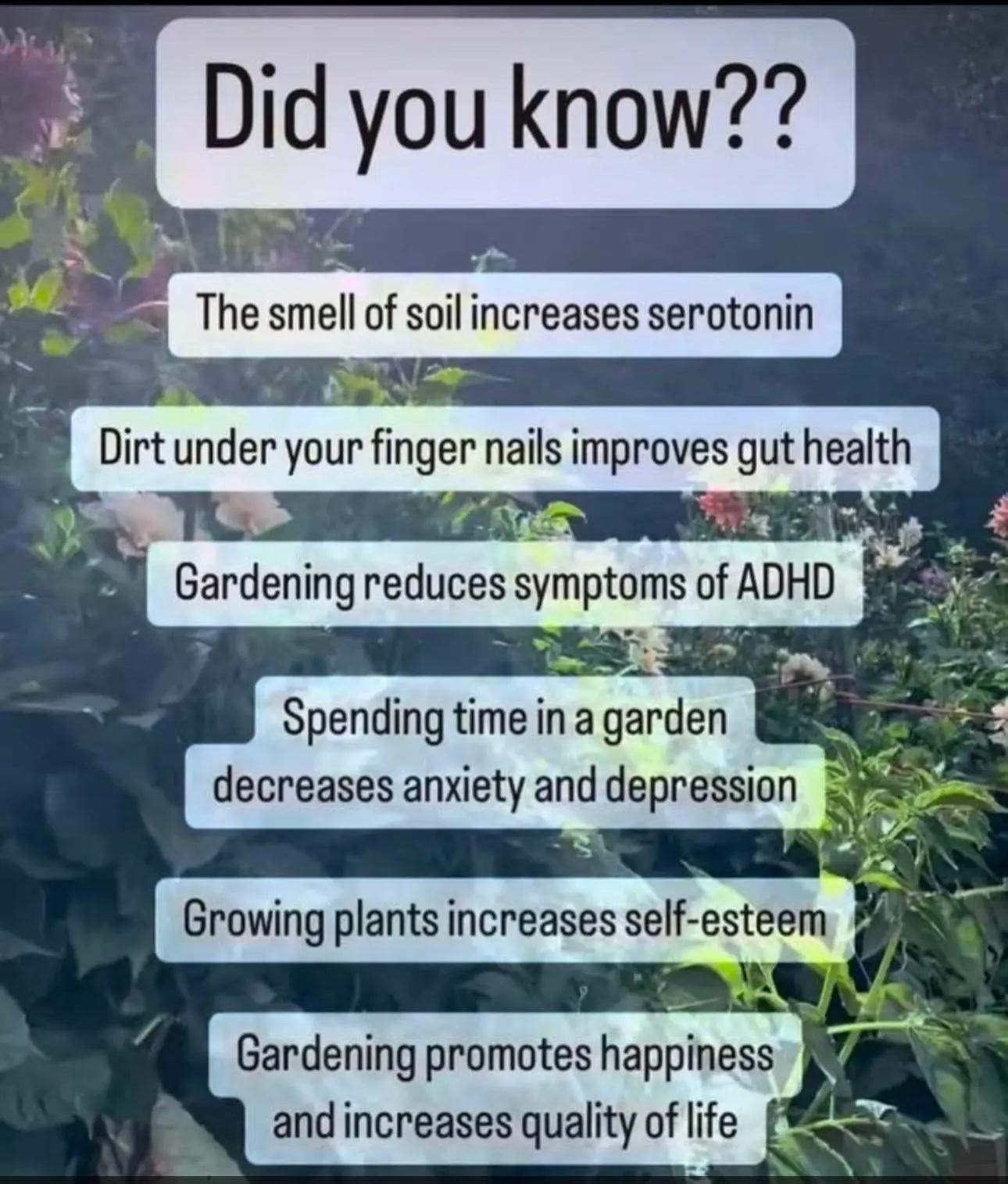
Why gardening is good for your mental health

Engagement in gardening has shown to have both immediate and long-term effects on mental health outcomes. Just gardening for several hours provides instantaneous reductions in depression and anxiety symptoms, while gardening daily is associated with reduced stress and increased life satisfaction.
Through regular sessions, participants develop:
- 🌱 Confidence & Responsibility – Taking ownership of growing and nurturing plants
- 🤝 Stronger Social Connections – Building relationships through shared activities
- 🧠 Improved Mental Wellbeing – Experiencing calm, purpose, and emotional balance
- 🌍 Environmental Awareness – Understanding sustainability and climate responsibility
- 📚 Practical Skills & Opportunities – Learning transferable skills for future pathways
🌍 Delivering Real Impact
Our gardening project is more than an activity—it is a community wellbeing intervention that supports integration, inclusion, and healthier lifestyles.
By aligning with the Five Ways to Wellbeing, we ensure participants can:
- Connect with others
- Be active
- Take notice of the present
- Learn new skills
- Give back to their community
Spaces Around You
Time In Nature
Introducing The Five Ways To Wellbeing
The Five Ways to Wellbeing are a set of evidence-based public mental health messages aimed at improving the mental health and wellbeing of the whole population. Developed by the New Economics Foundation, they aim to improve the mental health and wellbeing of the whole population.
Utulivu provides gardening and outdoor experiences for the local BAME communities and helps them to access the amazing, restorative power of gardens and nature to meet these five recommended outcomes namely:
- Connect: Feeling close to and valued by other people are fundamental human needs
- Be Active: Regular physical activity can lead to lower rates of depression and anxiety
- Take Notice: Being aware of what is happening in the present can enhance your wellbeing.
- Learn: Continued learning enhances self-esteem. It encourages social interaction and a more active life.
- Give: People with a great interest in helping others are more likely to rate themselves as happy